
· HousingWire
States Tighten Deed Theft Rules as Real Estate Fraud Losses Climb
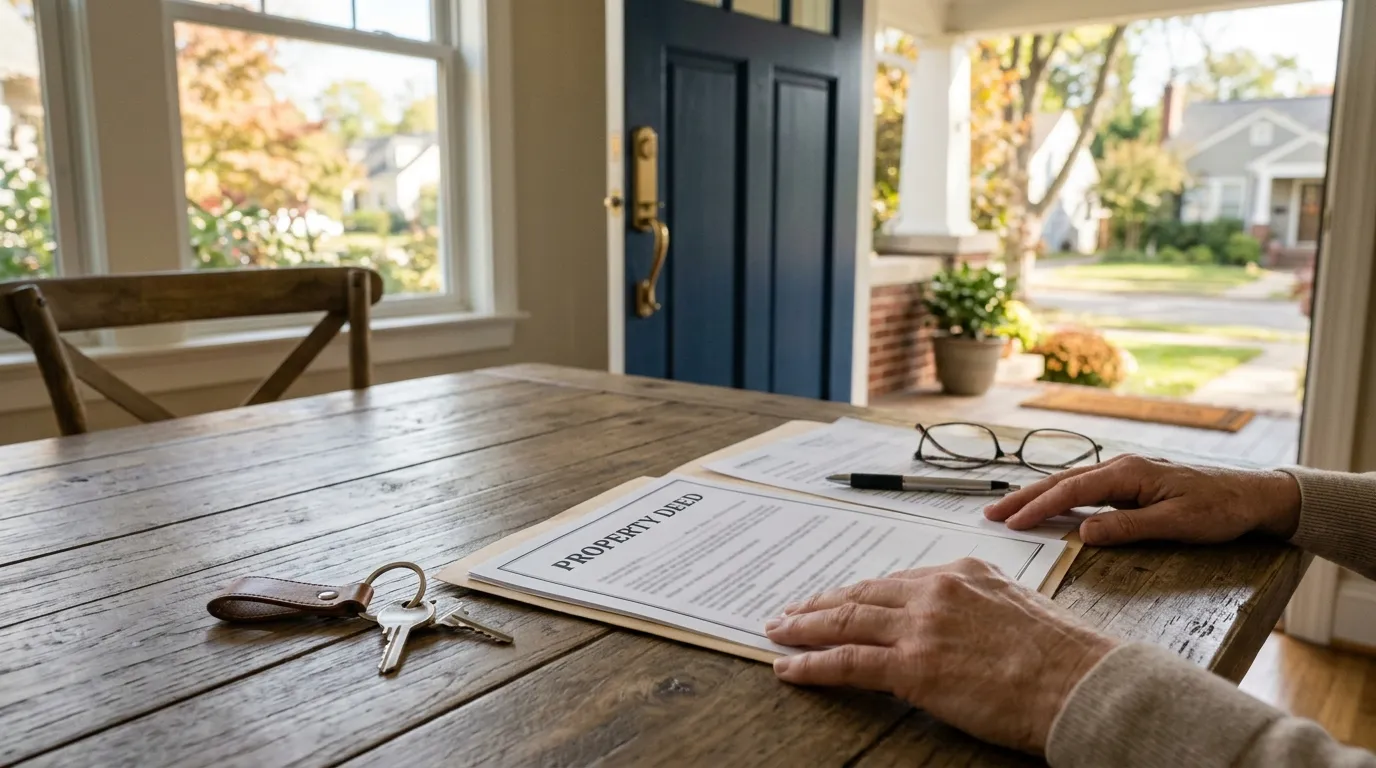
Deed theft and other real estate fraud are drawing more attention from state lawmakers, according to a HousingWire report.
The numbers
The FBI's Internet Crime Complaint Center received 12,368 real estate fraud complaints in 2025, HousingWire reports. Reported losses reached $275.1 million, up from $173.6 million in 2024.
New state laws
HousingWire says new deed theft protections were recently signed into law in Maryland and Alabama.
- Maryland: HB 130 took effect Oct. 1. It establishes a task force to study deed fraud and recommend further action. According to the report, proposed criminal prohibitions and a Deed Fraud Prevention Grant Fund were removed from the bill before it became law.
- Alabama: The Property Protection Act of 2026 also took effect at the start of October.
- Arizona: The article reports that a law there repealed a provision that allowed forged deeds to ripen into valid title after five years.
Why it matters to homeowners
Deed fraud generally involves someone filing a fake or forged document to appear to transfer ownership of a property. It can go unnoticed for a long time, especially when a home is vacant, rented out, or owned by someone who does not check property records. Stronger state rules and studies like Maryland's task force may eventually make this harder to pull off, but the details differ by state, and some proposed protections did not make it into law. Homeowners still benefit from keeping an eye on their own records.
What you can do
- Check your county recorder's or land records website periodically to confirm that nothing unfamiliar has been filed against your property.
- Sign up for a county property fraud alert service if your county offers one.
- Watch for unexpected mail about your property, such as notices about loans, liens, or title changes.
- Pay extra attention if you own a vacant home, a rental, or land you rarely visit.
- Keep copies of your deed and closing documents in a safe place.
- If something looks wrong, contact your county recorder's office and local law enforcement promptly, and consider speaking with a real estate attorney or title company.
- Be cautious with unsolicited offers to buy your home or requests to sign documents you do not fully understand.
Source: HousingWire